
May 4, 2026
The Emerging Role of Robotics in Family Caregiving: Benefits and Risks
When most people imagine care robots, they picture a shiny humanoid helping an elderly person out of a chair. The reality is that some robotics companies do envision this as part of the future. Today, robotics in caregiving looks less like fiction and more like smart devices and machines that can help caregivers with specific tasks.
The arrival of robotic assistance isn’t just a convenience, and it’s not just for the wealthy. In many cases, the use of robotic tools can protect caregivers from physical injury and burnout. Barriers to accessing are lowering for some (but not all) tools. This blog will explore how robotics and tech can be used to help lighten the load for family caregivers
Why robotics is a necessary part of the caregiving solution
Roughly 8 million Canadians serve as family caregivers. Many of them are managing complex, physically demanding tasks such as transferring a loved one from bed to wheelchair, monitoring for falls overnight, administering medications and handling wound care. These are tasks that, in a clinical setting, would require trained staff working in shifts. At home, they often fall to one person to manage around the clock.
The physical toll is well-documented. Caregivers suffer higher rates of back injury, chronic pain, and immune dysfunction than their non-caregiving peers. But the psychological harm runs just as deep. Studies suggest caregiver burnout affects between 40 and 70 percent of family caregivers. This is the context in which robotic tools are entering the caregiving toolkit.
Top use-cases for care robotics
Sleep Support: The most immediate gift care robotics can give a family caregiver is unbroken sleep. Nighttime monitoring systems that range from simple sensor arrays to more sophisticated robotic platforms can track movement, detect falls, monitor breathing patterns, and alert caregivers only when genuine intervention is needed. For someone who’s spent months waking at every small sound, this kind of monitoring is transformative.
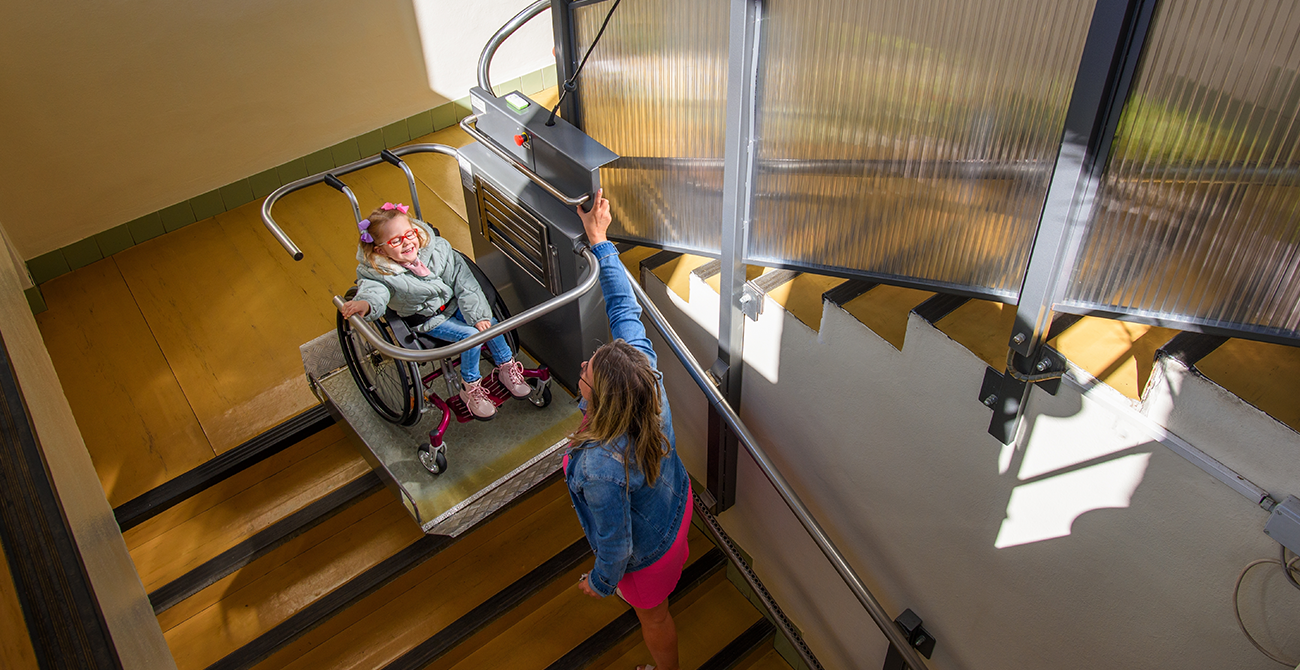
Lifting and Transferring: The most common way family caregivers get injured is when lifting their care recipient. Lift-assist robotics and transfer aids reduce the strain, which protects both parties but particularly the caregiver. Caregivers often delay seeking this kind of help far too long, trying to manage transfers manually out of habit, cost concerns, or simply not knowing options exist. The price for these devices can start at about $250 for basic mechanical devices, reaching into the $2000 to $5000 range for sit-to-stand Hoyer lifts.
Medication Management: Medication management robots, which can store, sort, and dispense medications on schedule while sending alerts if doses are missed, address another caregiver task that can come with stress. Medication errors are one of the leading fears among family caregivers, especially when managing complex regimens. Handing that task to a reliable automated system reduces errors and caregiver anxiety.
The controversy over companion robots
Companion robots shift from physical assistance to psychological, social, and emotional support. Devices designed to provide conversation, cognitive engagement, and emotional interaction for care recipients can reduce the pressure on caregivers to be “on” socially and emotionally when they may be exhausted and at the end of their rope. Caregivers often feel guilty about not being more cheerful and patient. When a companion robot can engage a care recipient, the caregiver gets a brief respite from this strain.
However, there is a lot to consider when engaging a companion-driven automation, whether using a chatbot or a tool designed specifically for patient care. Privacy concerns are the most significant consideration, especially when using chatbots like ChatGPT. But there are other concerns. Many feel automation may be used as a band-aid for systemic inequalities and lack of access to resources, allowing companies in the business of care to maximize profits at the expense of human connection. Others are concerned that we don’t yet know the full implications of handing human-like interactions over to AI-powered tools. They’re also not equally accessible. Though some basic automated tools are affordable, many are still cost-prohibitive for the vast majority of caregivers.
These issues deserve serious consideration. The reality is that to meet the caregiving needs of an aging population and the family caregivers who will support them, reliance on technology is critical.
A caregiving tool, not a solution
When automation and robotics absorb some of the routine maintenance of caregiving, what’s left is more likely to be what caregivers actually want to give: presence, conversation, and emotional connection. A supported caregiver is a better caregiver. In a best-case scenario, robotics tools can be used to provide some of that support.
With this said, Robots can’t solve the caregiving crisis. They don’t replace community, professional support, or adequate respite care. But for the millions of people who are currently providing care for a loved one, robotics is a growing tool that can make caregiving more sustainable.